
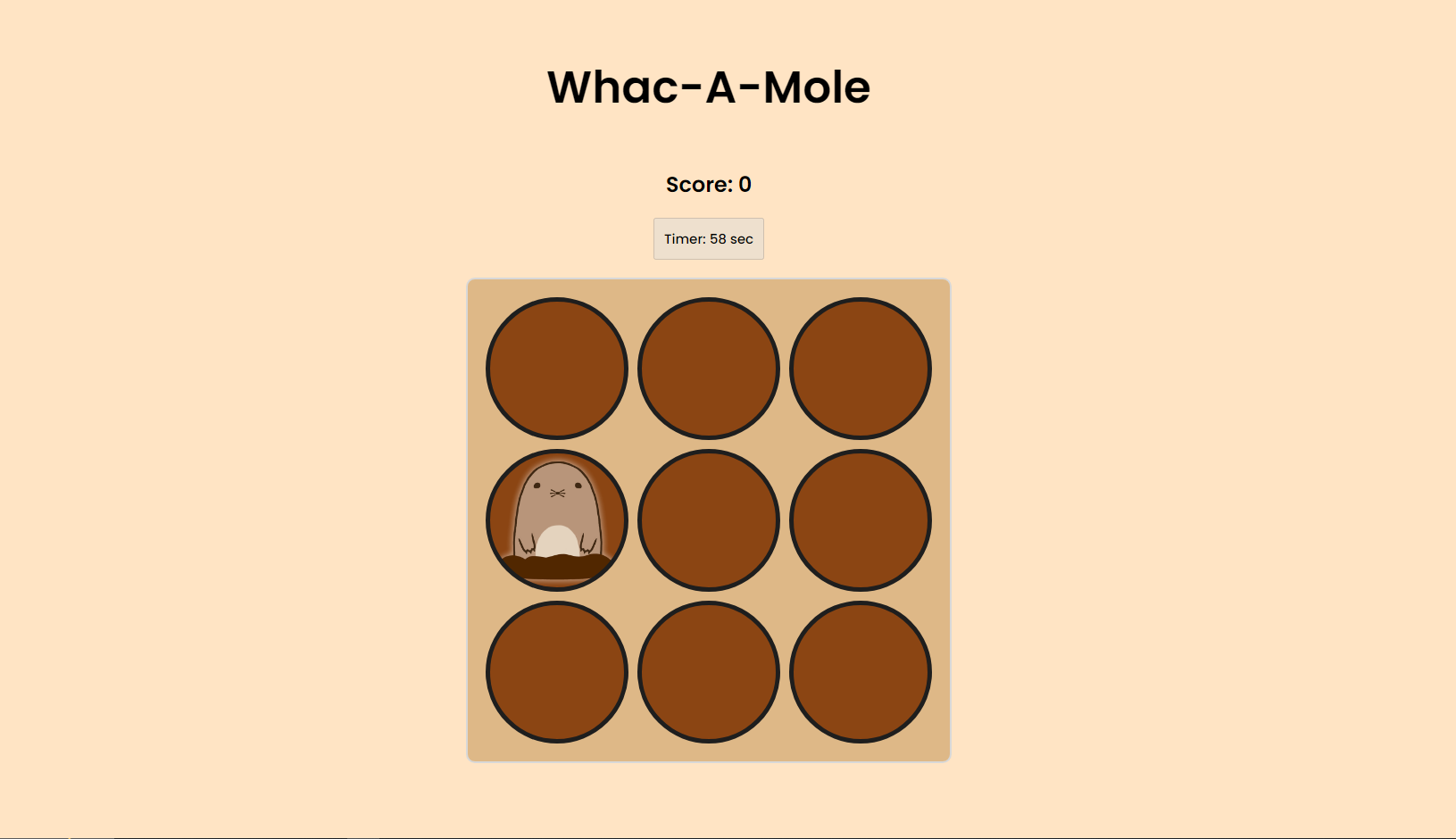
The vintage arcade-inspired Topo Mole Game has found a distinctive audience in the UK, and its audio landscape is at the center of the dialogue https://topomolegame.eu/. British players aren’t just listening to random beeps and thumps. They are analyzing the audio with a level of detail that turns basic sound effects into something deeper. That frantic rush of hammers, the solid ‘thwack’ of a hit—these noises are more than embellishment. They form the compelling core of the game. By sifting through forums, social media chatter, and player comments from Manchester to London to Glasgow, a clear picture forms. UK gamers see these sounds as essential parts of the game’s story and mechanics. This isn’t just about reminiscence. It’s about how sound operates on the mind of a player today.
The Foundational Sound Palette: More Than Just Noise
Topo Mole Game creates its world from a few audio cues. A mole emerges with a ‘pop’. A hammer lands with a sharp crack. A miss triggers a sour error tone, and clearing a level plays a cheerful fanfare. On the surface, it looks basic. But many UK players, especially those who recall arcades or early consoles, consider this minimalism as a smart choice. Every sound is distinct, not melodic, and crafted for instant recognition. When the game gets frantic, your ears often react faster than your eyes. One player from Birmingham said they frequently lunge at the *sound* of a mole before their brain has fully registered the picture. This renders the gameplay feel visceral, a reflex loop where sound is the conductor. British reviews often emphasize this purity as a mark of clever design.

Community Creations: Funny Content and Sound Remixes
The game’s sounds have moved beyond the game itself, turning into material for UK internet culture. On TikTok and Reddit, British users produce memes where the error sound highlights a real-life blunder, or the hammer ‘thwack’ gets slapped onto videos of someone hitting an object. There’s also a dedicated group of amateur music producers, leveraging the UK’s electronic music scene, who incorporate and remix these sounds. You can find drum and bass tracks built around the mole-pop rhythm, or humorous grime verses where the error tone works as a scratch effect. This organic takeover demonstrates the sounds are more than functional. They are culturally sticky, becoming recognizable audio icons within specific digital communities.
Sound as a Storytelling Tool in a “Narrative-Lite” Game
Topo Mole Game lacks a story. Yet UK players create one using the audio landscape. The cheerful fanfare after a level is more than a victory jingle. Many hear it as the moles celebrating your skill, or maybe taunting you for the next round. The accelerating and thickening of the popping sounds narrates the story of a level’s growing tension. Some players in artistic cities like Brighton give the moles personalities, imagining deeper pops as “angry boss moles.” This player-driven storytelling works because the sound design has character. The sounds are not generic. They have character, which enables your imagination construct a world around the basic action. It becomes a fun battle of wits against a saucy underground opponent.
The “Thwack” as Tactile Feedback: A Gratifying Core Loop
The notable sound, lauded almost without exception, is the ‘thwack’ or ‘bonk’ of a good hit. UK players depict it in physical terms. They talk about weight, solidity, and a sense of catharsis. This isn’t just an audio cue; it’s the key to the game’s feel. The screen presents a bump, but the sound sells the impact. Players from Edinburgh to Cardiff say getting this one sound right is a huge reason the game hooks you. It turns a tap on a screen into a perceived act of force. That tiny, fulfilling reward is something your brain desires to repeat, feeding the “one more go” urge that defines great arcade games.
Dissecting Player Satisfaction
Why does that hammer sound appear so good? The satisfaction arises from a few specific acoustic properties, even if players don’t use technical words to detail them.
Audio Components of the Perfect Hit
Looking at player accounts and the sound itself, a few elements stand out. It begins with a sharp, high-frequency attack that signals you your input counted immediately. Then comes a brief, lower-frequency rumble that imitates hitting something soft, giving it a cartoonish weight. There is no lag. The sound happens the instant you click. This preserves the connection between your action and the game’s response being tight. The outcome is a noise that seems both powerful and silly, fitting the game’s tone perfectly. It isn’t too shrill or too flat. This balance has caught the attention of UK indie game reviewers, who point to it as a lesson in how to engineer feedback.
Area Comparisons: UK vs. Global Sound Perceptions
The game works the same everywhere, but culture shapes how people talk about it. Contrasting UK forums with global ones reveals a subtle difference. British players employ a specific vocabulary of humour and understatement. They might call a mole’s pop “cheeky,” the error tone “a bit miffing,” and the victory fanfare “proper chuffed.” There’s also a clear admiration for the game’s lack of looping, intrusive music. They enjoy that the sound effects have the spotlight. This aligns with a wider UK gaming taste for atmospheric or minimal soundtracks. In some other regions, the focus leans more on how each sound relates to competitive scoring. The UK interpretation aims to highlight character and physical humour, treating the moles like impish characters instead of abstract point targets.
The Rhythm of Chaos: Audio Cues as Tempo-Setters
Later levels alter the soundscape. What was once a series of random events becomes a chaotic rhythm. UK players with musical backgrounds—drum and bass fans in Bristol, music students in Oxford—pick up on this. The random pops of moles produce unpredictable rhythms against your own hammer strikes. The error sound functions as a disruptive off-beat. This accidental complexity forces your brain to work harder, making the game feel faster. https://pitchbook.com/profiles/company/484346-08 Players aren’t just reacting. They are attempting, often without realizing it, to discover a rhythm in the madness. This brings a sophisticated layer to the play, converting a reflex test into a kind of musical performance where you conduct the chaos.
The Mental Impact of the Mistake Sound: From Frustration to Motivation
The audio for a wrong guess is crafted to be jarring—a short, dissonant buzz. Mentally, this unpleasant signal is strong. UK player responses show a sequence. The sound triggers a wave of frustration, a swift mental chastisement (“I was foolish to fail that one!”). But it hardly ever causes people desire to give up. On the contrary, it serves as a guiding jab. It intensifies your focus and reinforces your commitment for the upcoming try. The sound creates a clear line between success and mistake, which makes the next gratifying ‘thwack’ feel even better. The harmony is essential. The error sound is bothersome sufficiently to register, but not so severe it leads you quit. Gamers in the UK understand its function. It’s a nudge, not a shove.
The Impact of Hardware: How Devices Define the Sonic Experience

Your hardware affects how you experience Topo Mole Game. Someone with high-end PC speakers or gaming headphones in a Manchester gaming cafe will detect every detail—the subtle reverb on a hammer strike, the spatial placement of a mole pop. Meanwhile, a person playing on a phone on a noisy London Tube will only catch the piercing core frequencies fighting through the background rumble. This variation actually shows how effective the core sound design is. UK tech reviews note that the game works on any platform because its essential audio cues are built to be identifiable even when compressed or played through tinny speakers. The experience might transition from immersive to purely functional, but the sounds never lose their power to communicate.
Upcoming Hopes: What UK Players Desire to Experience Next
Listening to the community, UK players have particular wishes for where Topo Mole Game’s audio could go next. They aren’t after a revolution. They want an expansion that respects the iconic core sounds. A common request is for personalisable sound packs. Imagine exchanging the hammer sound for a cricket bat ‘click’ or a football rattle, introducing a dash of local flavour. Others suggest responsive state-responsive music—ambient pads or rhythmic pulses that grow more intense as the game speeds up, sidestepping repetitive melodic loops. There’s also fascination about advanced 3D audio for VR or premium speaker setups, where you could truly find a mole by sound alone. The common thread from the UK community is a desire for deeper immersion and a personal touch. They wish audio to enhance what’s already there: a engaging, stress-relieving, and deeply rewarding game.
